



Hair Transplant vs Non-Surgical Hair Restoration: Choosing What’s Right for You
- cosderma
- Oct 1, 2025
- 3 min read
Hair loss isn’t just about your hair — it affects confidence, self-image, and how you present yourself to the world. The good news? Modern dermatology offers multiple ways to tackle it. The two most common paths are: surgical hair transplant and non-surgical hair restoration. Let’s dive deep so you know exactly what each entails, who it’s best for, and what results you can realistically expect.

Hair Transplant: Permanent, Surgical Solution

Think of a hair transplant like relocating healthy trees to a barren part of your garden. The hair follicles from the “donor site” (usually the back of your scalp) are moved to areas where hair is thinning or gone.
Key Highlights:
Permanent Results: Transplanted follicles continue to grow naturally, often for life.
Natural Look: With modern techniques like FUE (Follicular Unit Extraction) and DHI (Direct Hair Implantation), results are almost indistinguishable from your natural hair.
Best Candidates: Those with advanced hair loss or bald patches. Ideal if you have sufficient donor hair.
Recovery: Some redness, swelling, and minor discomfort for a few days. Full results appear in 8–12 months.
Cost: Higher upfront investment but often more cost-effective long-term than repeated non-surgical sessions.
Pros:
✔ Permanent solution
✔ Natural appearance
✔ Long-term confidence boost
Cons:
❌ Surgical procedure with recovery time
❌ Higher upfront cost
❌ Requires skilled professionals for best results
Non-Surgical Hair Restoration: Gentle, Progressive Care
Non-surgical options are like fertilizing your existing garden and improving soil quality — they don’t add new trees, but they strengthen what’s already there.
Popular Non-Surgical Methods:
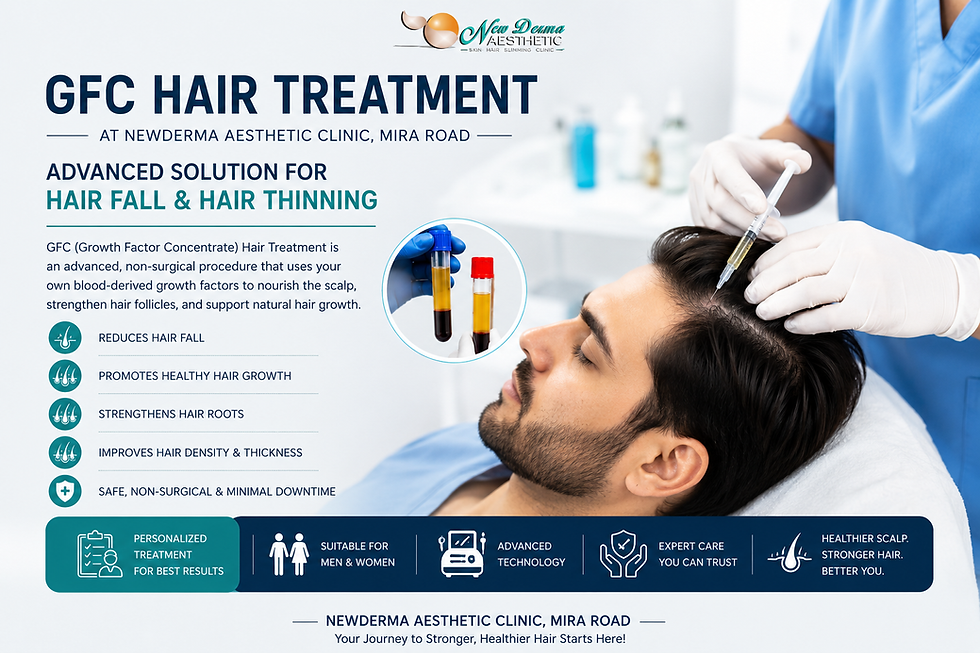
PRP Therapy (Platelet-Rich Plasma): Uses your own blood to stimulate dormant follicles and improve hair density.
Low-Level Laser Therapy (LLLT): Enhances blood flow and strengthens follicles.
Scalp Micropigmentation (SMP): Tiny pigment deposits create the illusion of fuller hair.
Topical Treatments & Medications: Minoxidil or finasteride can slow hair loss and improve growth.
Hair Systems or Wigs: Non-invasive, instant coverage for thinning or bald spots.
Ideal For:
Early-stage hair loss
People not ready for surgery
Those wanting gradual improvement or temporary solutions
Pros:
✔ Non-invasive, little to no downtime
✔ Affordable compared to surgery
✔ Can be combined with other treatments for better results
Cons:
❌ Not permanent (requires ongoing maintenance)
❌ Results vary depending on genetics and hair health
❌ May not work for advanced baldness
🔹 Key Differences at a Glance
Feature | Hair Transplant | Non-Surgical Restoration |
Invasiveness | Surgical | Non-invasive |
Permanence | Permanent | Temporary / ongoing |
Recovery Time | Days to weeks | Minimal |
Best For | Advanced baldness | Early thinning, sensitive scalp |
Cost | Higher upfront | Lower, but recurring |
Result Speed | Slow (full growth 8–12 months) | Gradual improvement, some instant (SMP) |
🔹 How to Decide What’s Right for You
Assess the stage of your hair loss – Are you losing small patches, or is baldness advanced?
Consider lifestyle & downtime – Surgery needs recovery; non-surgical methods allow normal routines.
Budget & long-term goals – Hair transplant is a one-time investment; non-surgical treatments require ongoing care.
Desired results – Permanent density vs. gradual improvement or coverage.
🔹 Final Thoughts
Both options can transform not just your hair, but your confidence, style, and self-image.
If you want a long-term, permanent solution → Hair Transplant.
If you prefer a gentle, progressive approach or are just starting to notice thinning → Non-Surgical Restoration.
The best approach? Consult a certified dermatologist or hair specialist. They can analyze your scalp, hair density, and growth patterns to craft a personalized plan that works for you.
Remember: Hair restoration isn’t just about the procedure — it’s about regaining confidence and taking control of your look.
Take the First Step Today
Don’t let hair thinning affect your confidence any longer. At Cosderma, we believe in restoring not just your hair but also your self-esteem and natural beauty.
👉 Book your consultation today and discover how PRP Hair Therapy can help you regrow your hair naturally, safely, and effectively.
Contact Us:
Call: 9987686006
Visit: New Derma Aesthetic Clinic
Instagram: @newdermaesthetics
Facebook: New Derma Aesthetic Clinic


Comments